
Honeywell Security Alarm Manual: A Comprehensive Guide
This manual details Honeywell alarm systems, covering installation, operation, troubleshooting, and advanced features – ensuring comprehensive security and peace of mind.

Honeywell provides robust fire and life safety solutions, including comprehensive security systems designed for homes and businesses. These systems integrate seamlessly, offering protection against intrusion, fire, and other emergencies. From basic setups to advanced smart home connectivity, Honeywell prioritizes reliable performance and user-friendly operation. Recent innovations include self-testing smoke detectors and enhanced firefighter breathing equipment alarms.
Honeywell’s GSM communication modules and diverse connectivity options – cellular, landline, and internet – ensure constant system monitoring. This introduction sets the stage for understanding your system’s capabilities.

Understanding System Components
Honeywell security systems comprise several key components working in unison. The control panel serves as the central hub, managing all system functions and communications. Keypads facilitate arming, disarming, and programming. Sensors – including door, window, and motion detectors – provide intrusion detection. Wireless sensor integration expands system flexibility.
Understanding each component’s role is crucial for effective system operation and troubleshooting. Proper component functionality ensures reliable security and prompt emergency response.
Control Panel Overview
The Honeywell control panel is the system’s brain, managing all security functions. It houses the system’s power supply, communication modules (cellular, internet, landline), and alarm memory. A transformer disconnection reset is a key function. The panel communicates with sensors and keypads, processing signals and initiating alarms.
It also logs events for review and often features battery backup for power outages. Understanding its indicators helps diagnose trouble conditions.
Keypad Functions and Navigation
Honeywell keypads provide user interaction for arming, disarming, and programming the system. Common functions include entering user codes, bypassing sensors, and activating panic buttons. Navigation typically involves scrolling through menus using arrow keys and confirming selections with an “Enter” or “#” key.
A blank or unresponsive keypad requires troubleshooting steps, like checking power; Keypads display system status and error messages, like “Check”, indicating potential issues.
Sensors: Door, Window, and Motion
Honeywell systems utilize various sensors for comprehensive protection. Door and window sensors detect unauthorized entry, while motion detectors identify movement within a secured area. These sensors communicate wirelessly or via wiring to the control panel, triggering an alarm upon activation.
Regular sensor testing is crucial for ensuring proper functionality and reliability. Proper placement and sensitivity adjustments optimize performance, minimizing false alarms.
Initial System Setup and Activation
Honeywell system activation involves choosing between professional installation for guaranteed setup or a DIY approach for cost savings. Registering your system is essential for warranty coverage and support access. Initial programming includes setting user codes, defining access levels, and configuring communication settings.
Carefully follow the provided instructions to ensure proper system functionality and avoid potential issues during the initial setup phase.
Professional Installation vs. DIY
Professional installation ensures correct wiring, programming, and system optimization by certified technicians, offering peace of mind and potentially lower insurance rates. However, it incurs installation costs. DIY installation provides cost savings but requires technical aptitude and careful adherence to instructions;
Incorrect DIY setup can compromise system effectiveness; consider your skillset before choosing this route. Professional services guarantee a fully functional and reliable security system.
Registering Your System
Registering your Honeywell security system is crucial for warranty coverage, accessing online resources, and receiving important safety alerts and recall notifications. This process typically involves creating an account on the official Honeywell website and providing your system’s model and serial number.
Registration enables access to updated manuals, troubleshooting guides, and direct support from Honeywell’s customer service team, ensuring optimal system performance and longevity.

Initial Programming and User Codes
Initial programming establishes the core functionality of your Honeywell system. This includes setting a master user code, crucial for all system adjustments and access. Create unique user codes for each family member, granting specific permissions – arming/disarming, or emergency access only.
Carefully document all codes in a secure location, separate from the system itself. Regularly changing codes enhances security and prevents unauthorized access to your home’s protection.

Operating Your Honeywell Alarm System
Operating your Honeywell system is straightforward, utilizing various arming modes for tailored protection. “Stay” arms perimeter sensors, ideal for nighttime while at home. “Away” activates all sensors, suitable for when the house is vacant. “Night” often focuses on exterior doors and windows.
Familiarize yourself with bypassing sensors when necessary, and understand the function of panic and emergency buttons for immediate assistance when required.
Arming and Disarming Modes (Stay, Away, Night)
Honeywell systems offer distinct arming modes for varied security needs. “Stay” mode secures perimeter doors and windows, allowing movement inside – perfect for bedtime. “Away” mode activates all sensors, safeguarding a vacant property. “Night” mode typically prioritizes exterior access points, offering a balance between security and convenience.
Disarming requires entering your valid user code via the keypad, promptly halting the alarm and preventing false alarms.
Bypassing Sensors
Honeywell systems allow temporary sensor bypassing, useful when a window is left open or a pet is roaming freely. Access the system programming via the keypad, navigating to the sensor list. Select the sensor to bypass – it will be excluded from the armed system’s monitoring.
Remember, bypassing reduces overall security; re-enable sensors promptly after the triggering condition is resolved. Documented bypasses are crucial for accurate security logs.
Panic and Emergency Buttons
Honeywell systems feature dedicated panic buttons for immediate emergency response. These buttons, often located on keypads or remote controls, instantly signal an alarm to the monitoring center, dispatching appropriate help – police, fire, or medical services.
Familiarize yourself with their location and operation. Avoid accidental activation; however, prioritize quick access during genuine emergencies. Regularly test these buttons to ensure functionality and a swift response.
Troubleshooting Common Issues
Honeywell alarm systems, while reliable, can occasionally encounter issues. Common problems include low battery alerts requiring immediate replacement, power outages demanding backup battery checks, and the frustrating “Check” error message – often indicating sensor or communication faults.
A unresponsive keypad can usually be resolved with simple troubleshooting steps. This section provides guidance for diagnosing and resolving these issues, ensuring your system remains operational and providing continuous security.
Low Battery Alerts and Replacement
Honeywell systems signal low batteries through keypad alerts and potentially chirping sensors. Prompt battery replacement is crucial to maintain 24/7 protection. Use only manufacturer-approved batteries for optimal performance and to avoid system malfunctions.
Carefully locate the sensor with the low battery, open its casing, and replace the old battery with a new one, ensuring correct polarity. Test the sensor after replacement to confirm proper functionality and silence the alert.
Power Outage Procedures
Honeywell alarm systems are designed with backup batteries to function during power outages, but their lifespan is limited. Upon power loss, the system automatically switches to battery power, continuing to monitor your premises.
Minimize door/window openings to conserve battery life. Avoid unnecessary system adjustments during an outage. Once power is restored, allow the system to fully recharge the backup battery – this ensures continued reliable operation. Regularly test the backup battery’s functionality.
“Check” System Error Message – Causes and Solutions
A “Check” message indicates a system trouble condition, ranging from low batteries to communication failures or sensor issues. First, consult the system’s event log for specific details. Check all sensor wiring and ensure proper connections. Verify the battery levels in both the control panel and wireless sensors.
If the problem persists, confirm your communication link (cellular, landline, or internet) is active. Contact Honeywell support or a qualified technician for further assistance if you cannot resolve the issue independently.
Keypad Unresponsive – Troubleshooting Steps
If your keypad is unresponsive, begin by checking the power supply – ensure it’s securely plugged into both the outlet and the control panel. Try disconnecting and reconnecting the transformer. If still unresponsive, attempt a system reset by briefly disconnecting the transformer’s power.
Inspect the keypad wiring for any loose connections. If the issue continues, consult the manual or contact Honeywell support for further troubleshooting or potential keypad replacement.
Advanced Features and Settings
Honeywell systems offer advanced features like wireless sensor integration for expanded coverage and flexibility. Remote access via a mobile app provides control and monitoring from anywhere. Explore event log review to interpret system activity and identify potential issues.
GSM communication modules enhance reliability, while connectivity options include cellular, landline, and internet. Customize settings to tailor the system to your specific needs and preferences for optimal security.
Wireless Sensor Integration
Honeywell alarm systems seamlessly integrate wireless sensors, expanding coverage without complex wiring. This allows for easy addition of door, window, and motion detectors in hard-to-reach areas. Wireless integration offers flexibility during installation and simplifies future system modifications.
Ensure compatibility with Honeywell’s wireless protocols for reliable communication. Properly pairing sensors with the control panel is crucial for optimal performance and security.
Remote Access and Mobile App Control
Honeywell’s mobile app provides convenient remote access to your security system. Arm or disarm your system, receive real-time alerts, and view event logs from anywhere with an internet connection. This feature enhances control and awareness, allowing you to monitor your property remotely.
Ensure secure app setup and regularly update the application for optimal performance and security enhancements. Connectivity options include cellular, landline, and internet.
Event Log Review and Interpretation
Honeywell systems maintain a detailed event log, recording all system activities – arming, disarming, sensor triggers, and power outages. Regularly reviewing this log helps identify potential issues or unusual patterns. Understanding timestamps and event codes is crucial for accurate interpretation.

The log assists in troubleshooting and verifying system functionality. Familiarize yourself with common event types to proactively address any security concerns and maintain system reliability.
Honeywell Alarm System Recalls & Safety Alerts
Honeywell has issued recalls, notably the L-Series Low Frequency Fire Alarm Sounders and Strobes, due to potential failure to alert occupants during emergencies. Staying informed about these alerts is vital for safety.
Recent advancements include self-testing smoke detectors with UL approval, and improvements to the TITAN firefighter breathing equipment alarm. Regularly check the official Honeywell website for updates and ensure your system is compliant with current safety standards.
L-Series Low Frequency Fire Alarm Sounders and Strobes Recall
Honeywell recalled its L-Series Low Frequency Fire Alarm Sounders and Strobes due to a risk of failure, potentially leaving consumers unaware of fire emergencies. The U.S. Consumer Product Safety Commission announced this recall, emphasizing the critical need for immediate attention.
Affected units may not function correctly, compromising fire safety. Owners should immediately check their systems and contact Honeywell for replacement or further instructions to mitigate this serious hazard.
Fire Alarm System Self-Testing Features
Honeywell launched a groundbreaking fire alarm system featuring UL-approved self-testing smoke detectors. This innovative technology allows for automatic, regular testing, ensuring detectors are functioning optimally without manual intervention. This proactive approach significantly enhances fire safety and provides continuous reassurance.
Automated testing simplifies maintenance and promptly identifies potential issues, offering a superior level of protection and peace of mind for building occupants and owners.
TITAN Firefighter Breathing Equipment Alarm Improvements
Honeywell has enhanced its flagship TITAN firefighter breathing equipment with a significantly louder alarm. This crucial upgrade is designed to dramatically improve the ability to locate downed firefighters in emergency situations, increasing their chances of swift rescue.
The improved alarm provides a clearer and more audible signal, even amidst the chaos of a fire scene, bolstering firefighter safety and operational effectiveness.
Communication Technologies
Honeywell alarm systems utilize diverse communication technologies for reliable connectivity. These include GSM modules, offering cellular backup, alongside traditional landline options and increasingly, internet-based communication pathways.
Introduced in 2006, Honeywell pioneered GSM integration for enhanced security. Systems support dual or triple communication paths, ensuring alarm signals reach the monitoring center even if one method fails, maximizing responsiveness and protection.
GSM Communication Modules
Honeywell’s GSM communication modules provide a robust, wireless connection for alarm systems, functioning as a vital backup or primary communication path. Introduced in 2006, these modules utilize cellular networks to transmit alarm signals, bypassing potential landline disruptions.
This technology enhances reliability, ensuring consistent communication with monitoring centers. Systems supporting dual or triple communication paths benefit significantly, offering redundancy and increased security against communication failures.
Connectivity Options (Cellular, Landline, Internet)
Honeywell alarm systems offer versatile connectivity, utilizing cellular, landline, and internet pathways for reliable communication. Cellular provides a wireless, secure connection, ideal as a primary or backup. Traditional landlines offer a dependable, established link, while internet connectivity leverages existing broadband access.
Systems often support dual or triple connectivity, enhancing redundancy and ensuring alarm signals reach the monitoring center even if one path fails, maximizing security and peace of mind.
Maintenance and Care
Regular maintenance ensures optimal Honeywell alarm system performance. Test sensors monthly to verify functionality – door, window, and motion detectors should trigger appropriately. Clean the control panel and keypad with a soft, dry cloth to remove dust and debris.
Establish a battery replacement schedule, typically every 3-5 years, to prevent low battery alerts and system failures. Proactive care extends system lifespan and maintains reliable security protection for your property.
Regular Sensor Testing
Consistent sensor testing is crucial for a reliable Honeywell security system. Monthly testing verifies each door, window, and motion sensor’s responsiveness. Activate each sensor to confirm a signal is received by the control panel. Document testing dates and any identified issues.
Address any failures promptly – replace batteries or contact a professional for repairs. Proactive testing ensures your system functions correctly when needed, safeguarding your property effectively.
Cleaning the Control Panel and Keypad
Maintain your Honeywell system’s appearance and functionality with regular cleaning. Use a soft, dry cloth to wipe down the control panel and keypad surfaces. Avoid abrasive cleaners or liquids, as they can damage the electronics or finish.
Dust accumulation can interfere with button responsiveness. Gently clean around buttons and displays. Ensure the system is powered off before cleaning to prevent accidental programming changes or electrical issues.
Battery Replacement Schedule
Regular battery replacement is crucial for uninterrupted Honeywell alarm system operation. Typically, backup batteries need replacing every 3-5 years, but environmental factors can affect lifespan. Low battery alerts signal the need for immediate replacement.
Always use the manufacturer-recommended battery type. Document replacement dates for tracking. Consider setting a calendar reminder to ensure timely changes, maintaining consistent security. Prompt replacement prevents system failure during power outages.
Resetting Your Honeywell Security Alarm
Resetting your Honeywell system can resolve minor glitches. A simple method involves disconnecting the transformer – the power source – for at least 15 seconds, then reconnecting. For more persistent issues, a factory reset exists, but proceed with caution as it erases all programming.
Back up your settings before a factory reset. Refer to the full manual for specific reset procedures. Incorrect resets can disable your security, so careful adherence to instructions is vital.
Transformer Disconnection Reset Method
To reset via transformer disconnection, locate the alarm panel’s power source – typically a small “brick” transformer. Carefully unplug this transformer from the electrical outlet. Allow a minimum of fifteen seconds to fully discharge the system’s power.
Replug the transformer, restoring power. The system will reboot, potentially clearing temporary errors. This method is ideal for minor issues; however, it may require re-entering user codes or re-establishing communication settings.
Factory Reset Procedures (Caution!)
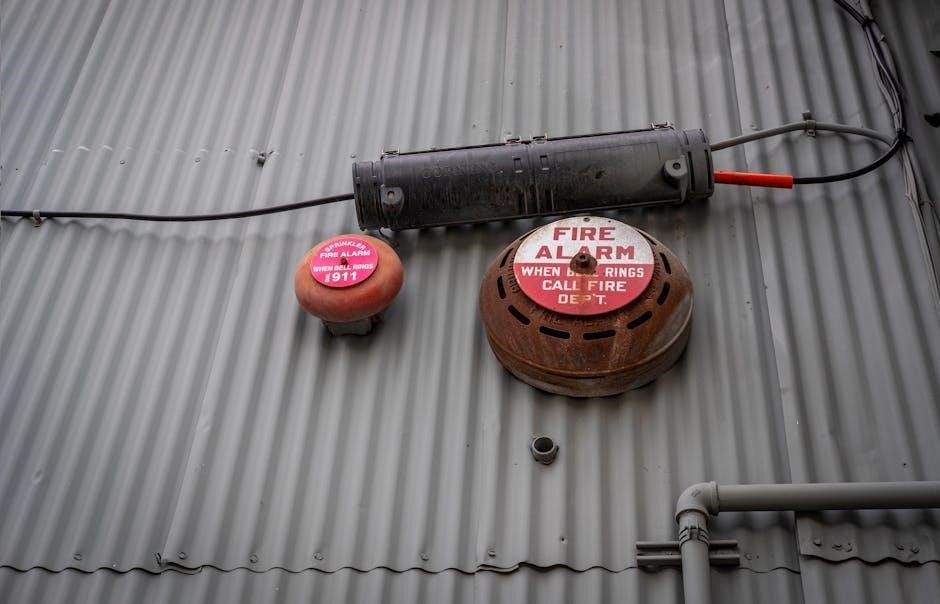
A factory reset erases all programming, user codes, and system settings, returning the panel to its original state. Caution: This is a drastic step and should only be performed as a last resort, or when instructed by Honeywell support.
The exact procedure varies by model; consult your specific system’s documentation. Expect to completely re-register and reprogram the system afterward, including all sensors and communication settings.
Honeywell Support and Resources
For assistance, the official Honeywell website provides extensive documentation, FAQs, and troubleshooting guides. Direct customer support is available via phone for personalized help with your system.
Numerous online forums and community resources offer peer-to-peer support and shared experiences. These platforms can be invaluable for resolving specific issues or learning advanced techniques. Explore these avenues for comprehensive support and information regarding your Honeywell alarm.
Official Honeywell Website and Documentation
Honeywell’s official website serves as a central hub for all product-related information, including detailed user manuals, installation guides, and specification sheets. Access comprehensive documentation covering every aspect of your security system, from initial setup to advanced programming.
Downloadable resources and online FAQs provide quick answers to common questions. Regularly check the website for updates, firmware releases, and important safety alerts pertaining to your Honeywell alarm system.

Customer Support Contact Information
For direct assistance with your Honeywell security system, reach out to their dedicated customer support team. While specific contact details may vary, the official Honeywell website provides the most up-to-date phone numbers and email addresses for technical support and general inquiries.
Expect knowledgeable representatives ready to assist with troubleshooting, programming questions, and warranty claims. Keep your system model number handy for faster service.
Online Forums and Community Resources
Numerous online forums and community platforms offer valuable support for Honeywell alarm system users. These spaces allow owners to share experiences, troubleshoot issues, and exchange programming tips with fellow enthusiasts.
Searching online for “Honeywell alarm forum” will reveal active communities where you can post questions and find solutions. Remember to verify information from unofficial sources before implementing changes to your system.