
Watts Pressure Reducing Valves (PRVs)‚ like the SS263APM1‚ are crucial for maintaining consistent water pressure. Understanding their function‚ as detailed in available manuals‚ ensures optimal system performance and longevity.
What is a Pressure Reducing Valve (PRV)?
A Pressure Reducing Valve (PRV) is a vital component in plumbing systems‚ designed to automatically lower incoming water pressure to a safe and consistent level. Watts PRVs‚ such as the SS263APM1‚ achieve this by compensating for fluctuations in the municipal water supply.
These valves protect downstream plumbing fixtures and appliances from damage caused by excessively high pressure. Consulting a Watts PRV manual reveals detailed schematics and operational principles. Proper functioning ensures longevity and prevents costly repairs‚ maintaining a stable water supply throughout your home or building.
Why Use a Watts PRV?
Utilizing a Watts PRV‚ like models detailed in the SS263APM1 manual‚ offers significant benefits. Primarily‚ it safeguards plumbing and appliances from damage due to high water pressure‚ extending their lifespan and reducing repair costs. Consistent pressure improves appliance efficiency‚ like dishwashers and washing machines.
Furthermore‚ a PRV minimizes water hammer‚ those disruptive banging noises in pipes. Proper installation‚ guided by the manual‚ ensures optimal performance and protects your entire water system‚ contributing to long-term savings and peace of mind.
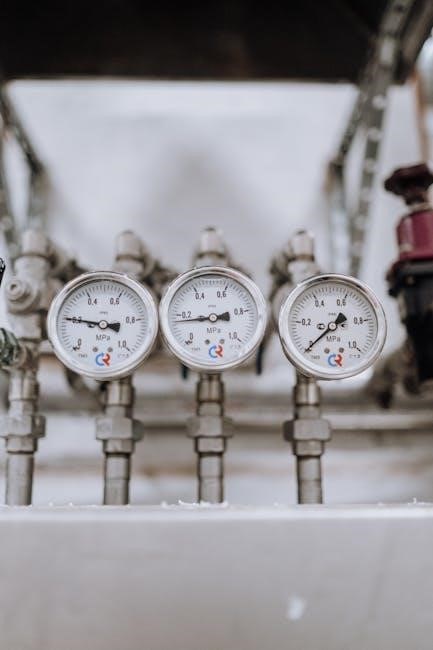
Understanding Watts SS263APM1 and Similar Models
Watts SS263APM1‚ a ½in NPT manual regulator‚ exemplifies reliable pressure control. Referencing the valve’s manual clarifies specifications and ensures correct application.
Common Applications of Watts PRVs
Watts Pressure Reducing Valves find widespread use in residential‚ commercial‚ and industrial plumbing systems. They protect appliances – like washing machines and dishwashers – from damaging high water pressure. Crucially‚ PRVs safeguard plumbing infrastructure‚ preventing leaks and bursts.
Applications extend to irrigation systems‚ ensuring efficient water distribution. Furthermore‚ they’re vital in buildings with multiple stories‚ maintaining consistent pressure on each level. The SS263APM1 manual details suitable operating conditions and limitations for various applications‚ emphasizing the importance of selecting the correct model for optimal performance and longevity. Proper installation‚ guided by the manual‚ is key to reliable operation.
Typical Sizes and Connections (e.g.‚ 1/2in NPT)
Watts PRVs‚ including models like the SS263APM1‚ are commonly available in sizes ranging from ½ inch to 1 inch. Connection types predominantly feature National Pipe Thread (NPT)‚ ensuring compatibility with standard plumbing systems. The ½ inch size is frequently used in residential applications‚ while larger sizes cater to commercial needs.
The Watts manual specifies precise dimensions and threading details for each model. Correctly matching pipe size and thread type is critical for leak-proof installation. Always refer to the manual for specific connection requirements and torque specifications to avoid damaging the valve or associated plumbing.
Installation of a Watts Pressure Reducing Valve
Proper installation‚ guided by the Watts manual‚ is vital for optimal performance. Ensure correct pipe sizing‚ threading‚ and support to prevent leaks and maintain pressure.
Pre-Installation Considerations
Before installing a Watts PRV‚ carefully review the official manual for your specific model. Assess your existing water system’s pressure – exceeding the valve’s maximum rating will cause damage. Verify pipe compatibility (typically NPT threaded) and ensure adequate space for adjustments and future maintenance.
Shut off the main water supply before beginning any work. Consider installing unions for easier removal and replacement. Check for debris within the pipes and flush the system thoroughly. Proper planning‚ guided by the manual‚ prevents costly errors and ensures a reliable installation.
Step-by-Step Installation Guide
Following the Watts PRV manual‚ begin by applying Teflon tape to all male threads. Carefully screw the valve into the pipe‚ ensuring proper alignment. Avoid over-tightening‚ which can damage the threads. Once secured‚ slowly reopen the main water supply‚ checking for leaks around the connections.
Adjust the pressure setting after full water flow is established‚ using a pressure gauge. Refer to the manual for specific adjustment instructions. Regularly inspect for leaks and address them promptly. A methodical approach‚ guided by the manual‚ guarantees a secure installation.
Tools Required for Installation
Consulting the Watts PRV manual is the first step! Essential tools include two adjustable wrenches – one for securing the pipe and another for tightening the valve. Teflon tape is vital for creating watertight seals on threaded connections. A pipe cutter or hacksaw may be needed for pipe adjustments.
Crucially‚ a reliable pressure gauge is required for accurate pressure setting post-installation. Screwdrivers may be necessary for certain models. Always prioritize safety glasses and gloves during the process‚ as outlined in the manual’s safety section.
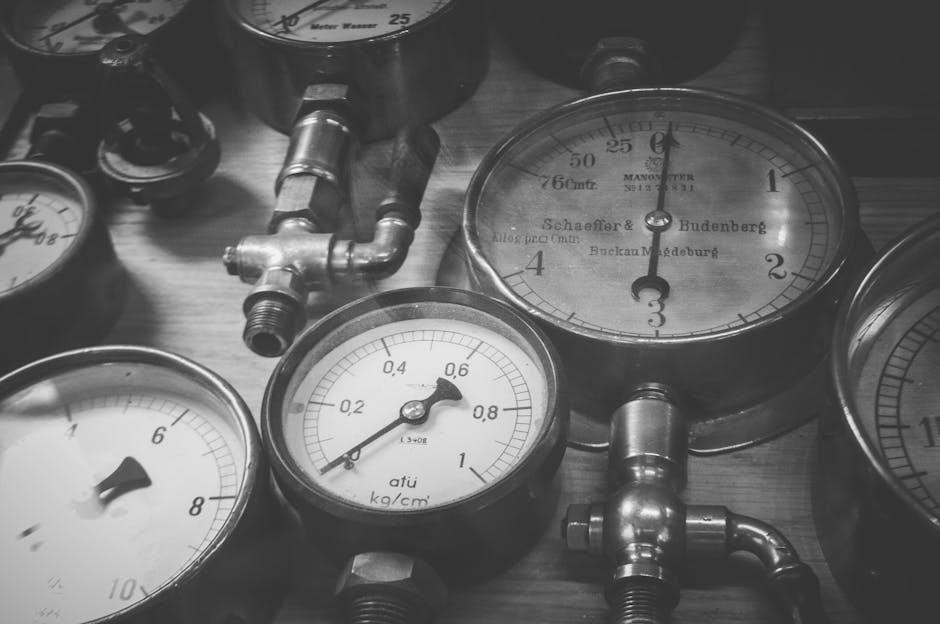
Adjusting and Maintaining Your Watts PRV
Refer to the Watts PRV manual for precise adjustment instructions; turning clockwise increases pressure‚ anticlockwise reduces it. Regular checks‚ using a gauge‚ are essential.
How to Adjust Pressure (Turning Clockwise/Anticlockwise)
Adjusting a Watts PRV is straightforward‚ but always consult the specific model’s manual first. Typically‚ a central adjusting bolt controls the outlet pressure. Turning this bolt clockwise will increase the downstream water pressure‚ while turning it anticlockwise will decrease the pressure. Make small adjustments – a quarter turn at a time – and allow the system to stabilize before re-checking. Avoid over-tightening‚ as this can damage the valve. Remember to use a pressure gauge (discussed elsewhere) for accurate readings during this process‚ ensuring you achieve the desired pressure setting safely and effectively.
Using a Pressure Gauge for Accurate Adjustment
Accurate PRV adjustment necessitates a reliable pressure gauge. Connect the gauge to a downstream outlet‚ as close to the valve as possible‚ for precise readings. After each adjustment (clockwise or anticlockwise)‚ observe the gauge. This allows for incremental changes‚ preventing over- or under-pressurization. The manual will specify the recommended pressure range. Regularly check the gauge’s calibration to ensure accuracy. A properly calibrated gauge‚ combined with small adjustments‚ guarantees optimal water pressure throughout your plumbing system‚ enhancing appliance performance and preventing damage;
Regular Maintenance Checks
Consistent maintenance extends the life of your Watts PRV. Periodically inspect the valve body for leaks or corrosion‚ referencing the manual for detailed diagrams. Check for unusual noises‚ indicating potential internal wear. Verify the adjustment screw moves freely. Flush the system to remove debris that could obstruct the valve’s operation. Annual inspections‚ guided by the manual‚ are recommended. Addressing minor issues promptly prevents costly repairs or replacements‚ ensuring reliable water pressure and system efficiency for years to come.
Troubleshooting Common Issues
Refer to the Watts PRV manual for diagnosing problems like low pressure‚ leaks‚ or no flow. Proper troubleshooting‚ guided by the manual‚ saves time and expense.
Low Water Pressure After Installation
If experiencing low water pressure post-installation‚ consult the Watts PRV manual immediately. Often‚ this indicates improper adjustment; the valve might be set too low. Carefully turn the adjustment screw clockwise‚ checking a pressure gauge frequently. Ensure the valve isn’t restricting flow unnecessarily. Verify that all upstream valves are fully open. A partially blocked inlet screen‚ detailed in the manual‚ could also be the culprit‚ requiring cleaning. Incorrect installation‚ as outlined in the manual‚ can also contribute to this issue‚ so double-check connections.
Leaking Around the Valve
Leaks around the Watts PRV‚ as addressed in the official manual‚ typically stem from loose connections or worn internal components. First‚ carefully tighten all threaded connections‚ ensuring not to overtighten. Inspect the valve body and connections for cracks or damage. The manual details how to check and potentially replace internal seals or O-rings if they appear deteriorated. A leaking adjustment screw may indicate a worn internal part‚ requiring professional repair or valve replacement‚ as described within the Watts documentation.
No Water Flow
Complete lack of water flow past the Watts PRV‚ according to the manual‚ often indicates a blocked valve or a shut-off valve upstream. Verify that all upstream shut-off valves are fully open. The manual instructs users to carefully disassemble and inspect the valve for debris or sediment buildup obstructing the flow path. If blockage isn’t apparent‚ a faulty valve core might be the issue‚ necessitating replacement. Always consult the manual before disassembly to avoid damage.

Safety Precautions
Always shut off the main water supply before any maintenance‚ as the manual stresses. Proper handling‚ following the manual’s guidance‚ prevents damage and ensures safety.
Shutting Off Water Supply Before Maintenance
Before attempting any inspection‚ adjustment‚ or repair of your Watts Pressure Reducing Valve (PRV)‚ absolutely and completely shut off the main water supply to the building. This is a critical safety precaution detailed in the Watts PRV manual. Failure to do so could result in uncontrolled water flow‚ potentially causing property damage or personal injury. Locate the main shut-off valve – typically near the water meter – and turn it to the ‘off’ position.
After shutting off the main supply‚ open a faucet at a lower level in the building to relieve any residual pressure within the pipes. This ensures a safer working environment during maintenance.
Proper Handling of the Valve
When handling a Watts Pressure Reducing Valve‚ whether during installation‚ adjustment‚ or replacement‚ exercise caution to avoid damaging its components. The Watts PRV manual emphasizes avoiding excessive force when tightening connections; use appropriate wrenches and avoid over-tightening. Protect the valve body from physical impacts during transport and storage.
Always handle the valve with clean hands to prevent contamination of internal parts. Avoid using abrasive cleaners or solvents‚ as these can degrade the valve’s materials.
Watts PRV Manual Resources
Official Watts documentation‚ including model-specific manuals like the SS263APM1‚ is readily available online. Understanding model numbers is key to finding the correct resource.
Finding Official Documentation
Locating official Watts PRV manuals is essential for proper installation‚ adjustment‚ and maintenance. Begin your search on the official Watts website‚ navigating to their resources or support sections. Utilize specific model numbers‚ such as SS263APM1‚ to refine your search and ensure you download the correct documentation.
Alternatively‚ explore online plumbing supply retailers; many provide downloadable manuals for the products they sell. Websites specializing in plumbing parts often host PDF versions of Watts PRV manuals. Always verify the document’s authenticity by confirming it originates from Watts or a trusted source to guarantee accuracy and reliability.
Understanding Model Numbers
Watts PRV model numbers‚ like SS263APM1‚ contain vital information about the valve’s specifications. Decoding these numbers helps identify the correct replacement parts and relevant documentation. The prefix (SS) indicates the series‚ while subsequent digits define size‚ connection type (NPT)‚ and features.
Referring to the Watts pressure reducing valve manual specific to your model ensures accurate interpretation. Understanding these codes is crucial for ordering compatible components and accessing tailored installation and maintenance instructions‚ maximizing the valve’s performance and lifespan.
Replacing a Faulty Watts PRV
Refer to the Watts PRV manual for detailed replacement instructions. Properly identifying a faulty valve and following the guide ensures a safe and effective repair.
Pinpointing a Faulty Valve
Consult the Watts PRV manual to understand normal operating parameters. Begin by observing the pressure gauge; fluctuating or consistently low readings suggest a problem. Check for leaks around the valve body – a common indicator of internal failure. If water pressure drops significantly after installation‚ or there’s no water flow despite an open supply‚ the valve is suspect.
The manual details diagnostic steps‚ potentially involving isolating the valve to test its functionality. A visual inspection‚ guided by the manual’s diagrams‚ can reveal damaged components. Remember‚ a faulty PRV can cause widespread plumbing issues‚ so accurate diagnosis is vital before proceeding with replacement.
Step-by-Step Replacement Guide
Refer to the Watts PRV manual for model-specific instructions. First‚ shut off the main water supply! Disconnect the existing valve‚ noting pipe connections. Apply Teflon tape to the threads of the new valve. Carefully align and tighten the new Watts PRV‚ ensuring proper orientation as shown in the manual’s diagrams.
Slowly reopen the water supply‚ checking for leaks around all connections. Adjust the pressure setting according to the manual’s guidance‚ using a pressure gauge for accuracy. Thoroughly test the system‚ verifying consistent pressure and no leaks.

Pressure Differential and Solenoid Valves
Watts PRVs can integrate with solenoid valves‚ like Parker G 1/4‚ managing pressure across systems. Understanding pressure differential is key for optimal function.
Understanding Pressure Differential in Systems
Pressure differential‚ the difference in pressure between two points‚ is vital for efficient system operation when utilizing a Watts PRV. It dictates flow rates and ensures components receive adequate pressure. Systems with varying elevations or long pipe runs experience greater differentials.
Properly accounting for this difference‚ often measured in PSI‚ is crucial during installation and adjustment. A significant differential can indicate restrictions or inefficiencies. Integrating solenoid valves‚ like those from Parker‚ requires careful consideration of the PRV’s output and the solenoid’s operational pressure range to maintain system balance and prevent damage.
Integration with Solenoid Valves (e.g.‚ Parker G 1/4)
Combining a Watts PRV with solenoid valves‚ such as the Parker G 1/4‚ enables precise flow control in diverse applications. The PRV establishes a stable downstream pressure‚ while the solenoid regulates flow based on electrical signals.
Successful integration requires matching pressure ratings; the PRV’s output must align with the solenoid’s operating range. Proper wiring and mounting are essential for reliable performance. Referencing both the Watts PRV manual and the solenoid valve documentation ensures compatibility and optimal system functionality‚ preventing pressure fluctuations or valve failure.
Online Real Estate Transactions in Morocco (Relevance to Water Systems)
Secure online property transactions in Morocco necessitate due diligence‚ including verifying existing water systems and potential PRV upgrades‚ as detailed in manuals.
Ensuring Secure Online Transactions
Navigating Moroccan online real estate demands vigilance. While not directly related to Watts PRV manuals‚ secure transactions are paramount when purchasing property. Thoroughly vet agencies and utilize secure payment gateways. Confirm property details independently‚ and always obtain legal counsel before finalizing any agreement. Understanding the property’s existing water infrastructure‚ potentially referencing PRV documentation‚ is a crucial part of due diligence. Prioritize verified listings and avoid deals appearing too good to be true‚ safeguarding your investment and ensuring a smooth property acquisition process.
Importance of Agency Assistance in Property Purchases
While seemingly unrelated to Watts PRV manuals‚ engaging a reputable Moroccan real estate agency is vital. They navigate complex legal procedures and ensure secure transactions. An agency verifies property ownership and assists with due diligence‚ including assessing existing plumbing systems – potentially identifying the need for PRV maintenance or replacement. Their expertise minimizes risks and streamlines the purchase process. Don’t bypass agency assistance to save costs; their guidance is invaluable‚ protecting your investment and ensuring a legally sound property acquisition.
Buying Property in Morocco and Water System Considerations
Prior to finalizing a Moroccan property purchase‚ assess the water system. Check for a Watts PRV‚ referencing its manual to ensure proper function and pressure regulation.
Understanding Moroccan Real Estate Market
Navigating Morocco’s property market requires diligence. Beyond legal checks‚ prospective buyers should inspect existing infrastructure‚ including plumbing. A Watts Pressure Reducing Valve (PRV)‚ often found in modern systems‚ safeguards against excessive water pressure.
Familiarize yourself with local market trends in cities like Casablanca or Marrakech. Don’t overlook the importance of a functional PRV; consult the Watts SS263APM1 manual (or equivalent model’s documentation) to understand its role in maintaining water pressure and preventing damage.
A pre-purchase inspection should verify the PRV’s condition and proper operation‚ potentially saving future repair costs.
Budgeting for Water System Upgrades
When purchasing property in Morocco‚ allocate funds for potential water system improvements. Older homes may lack a Pressure Reducing Valve (PRV)‚ or require replacement of existing units like the Watts SS263APM1.
Factor in the cost of the valve itself‚ installation by a qualified plumber‚ and necessary fittings. Review the Watts PRV manual to understand compatible components and ensure correct sizing (e;g.‚ 1/2in NPT).
Don’t forget a pressure gauge for accurate adjustment post-installation‚ safeguarding your plumbing from damage due to high pressure.
Future Trends in Pressure Reducing Valve Technology
Smart PRV systems‚ integrating with digital controls‚ are emerging. Eco-friendly designs‚ alongside detailed Watts PRV manuals‚ will optimize water usage and efficiency.
Smart PRV Systems
Smart Pressure Reducing Valves represent a significant leap forward‚ moving beyond traditional manual adjustments. These systems integrate sensors and digital controls‚ allowing for remote monitoring and precise pressure regulation. Accessing the Watts PRV manual digitally often provides firmware updates and troubleshooting guides for these advanced models. They can connect to home automation systems‚ optimizing water pressure based on real-time demand and potentially detecting leaks. This proactive approach‚ detailed within the manual’s advanced features section‚ minimizes water waste and enhances system reliability‚ offering a future where water management is both efficient and convenient.
Eco-Friendly PRV Designs
Watts is increasingly focused on sustainable designs for their Pressure Reducing Valves. Newer models‚ detailed in updated PRV manuals‚ utilize materials with reduced environmental impact and optimized flow paths to minimize water wastage. These eco-conscious designs aim to lower energy consumption associated with water heating and distribution. The manual often highlights certifications related to lead-free components and water conservation standards. By choosing these valves‚ consumers contribute to responsible water management‚ aligning with growing environmental concerns and promoting long-term sustainability.